Dear Peru For Less
I would not hesitate to refer my friends to your tour company should they visit Peru and when and if I return to Peru I will call your company again! You made a special vacation even more special! Thank you all for your help and for making history come alive for us!
Karin Seiller North Andover MA. August 2008Peru Opens the Inca Road to the Sea
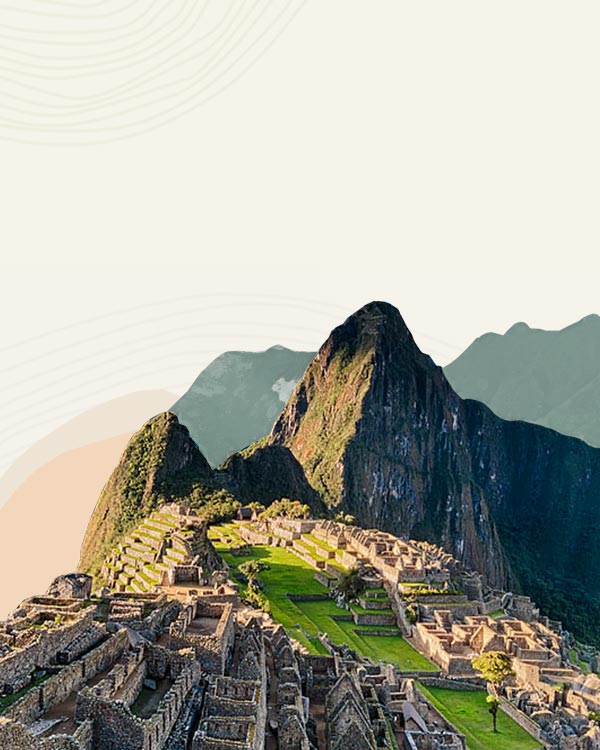
While the Inca Trail that ends at Machu Picchu is very popular, what many aspiring hikers do not know is that it is only a small part of what remains today of the complex road system that the ancient Incans used to relay messages and transport food and other goods between the many cities and villages that they had conquered. The most extensive of all pre-Columbian road systems in South America, the two major veins of the Inca Trail extended from Quito, Ecuador in the north to Mendoza, Argentina and Santiago, Chile in the south. The Inca Trail was employed for quick communication, movement of officials, and logistical support. Messengers, known as chasquis, relayed messages and carried goods such as fresh fish from fishermen on the west coast of the country to the royal dinner tables in the Andes. Chasquis were known to cover up to 150 miles a day by using a clever relay system. Because the horse had not yet been introduced by the Spaniards of the region, the roads of the Inca Trail (also known as Qhapaq Ñan) were traveled by foot and sometimes with pack animals such as the llama. Although modern travelers cite the steep entrance fees and the strict regulations as a hindrance to hiking the traditional trail, their complaints are nothing new. Even in pre-Columbian and colonial times, outsiders needed to request permission and pay tolls along the way in order to use the Inca Trail.

Nowadays, what is generally thought of as the “Inca Trail”, is a 2, 3, or 4 day trek commencing in Cuzco and covering most of its distance by train or local car with only the remaining part leading up to “The Lost City of the Incas” traveled by foot. The trek is restricted by the Peruvian government, which only admits 500 people daily. For those who feel that this trail might be too crowded, there are many alternatives in the area which were also traversed by the Incas, leading to other lesser known (though perhaps even more mystical) sites within the confines of the former Inca Empire. In fact, remnants of the ancient Inca Trail can be found throughout Peru as well as surrounding countries.
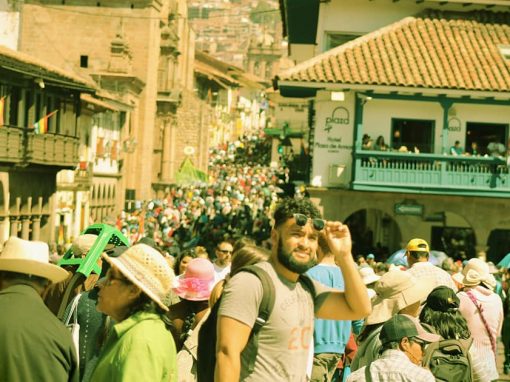
The Regional Tourism board of Cuzco has just announced the launch of a new circuit that would seek to commemorate the part of the trail that reaches the ocean where the ancient chasquis would transport anchovies and whale meat to the Inca Ruler in Cuzco. The new trail will assume the title of “The Inca Fish Route” and will begin in the Plaza de Armas of Cuzco heading towards the Apurimac Canyon and then passing through the departments of Ayacucho and Arequipa until finally reaching the Pacific Ocean at Puerto Inca in the Caraveli province of Arequipa.
In order to proceed with the new circuit, the trail must first be renovated for foot travel and equipped with signs, lookout points, rest stops with water and first aid support, and camping grounds. With the support of the Tourism Boards of Cuzco and Arequipa; the National Cultural Institute; COPESCO; the Ministry of International Business and Tourism; and Prom-Peru, the necessary construction on the trail will kick off in 2009.
The reopening of this part of the Inca Trail will bring tourism to more than 26 poverty-stricken villages in the departments of Cuzco, Apurimac, Ayacucho, and Arequipa. These communities will benefit from the new circuit as they can open businesses and make new jobs in relation to the new trek.
There are two aspects of the project that make it particularly appealing to the Peruvian tourism industry; it will offer an intriguing alternative to the popular Inca Trail and it will bring tourism to one of the most naturally stunning areas of Peru (that is currently sealed off from the major tourist routes by lack of proper roads and infrastructure). This trail will be an outlet to those who were not able to reserve a space on the trail to Machu Picchu, but are still interested in seeing a part of the authentic Inca Trail which will lead to the lesser known archaeological site located in the Apurimac department, Choquequirao.
Peru For Less is looking forward to offering this exciting alternative in the future. For more information on the various trekking opportunities we currently offer, please visit the Adventure Tours section of our website or contact us at travel@peruforless.com.
by Abby Winship
Source:
El Comercio
Wikipedia
PAST NEWSLETTERS:
We do have the lowest prices. We will meet or beat any internet published rates from
companies outside Peru for all package tours. All HOTELS and TOURS are
based on US standards. No late booking fees.

We have the best testimonials. Our professional and expert staff is at
your service and will reply to any request within 24 hours. While traveling in
Peru you will have access to our local 24/7 emergency number.