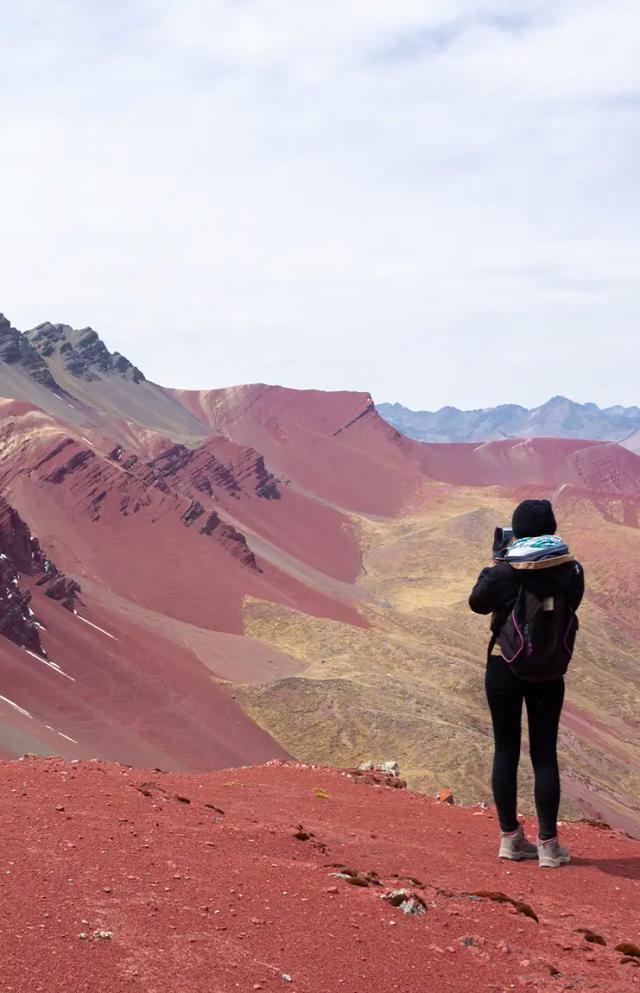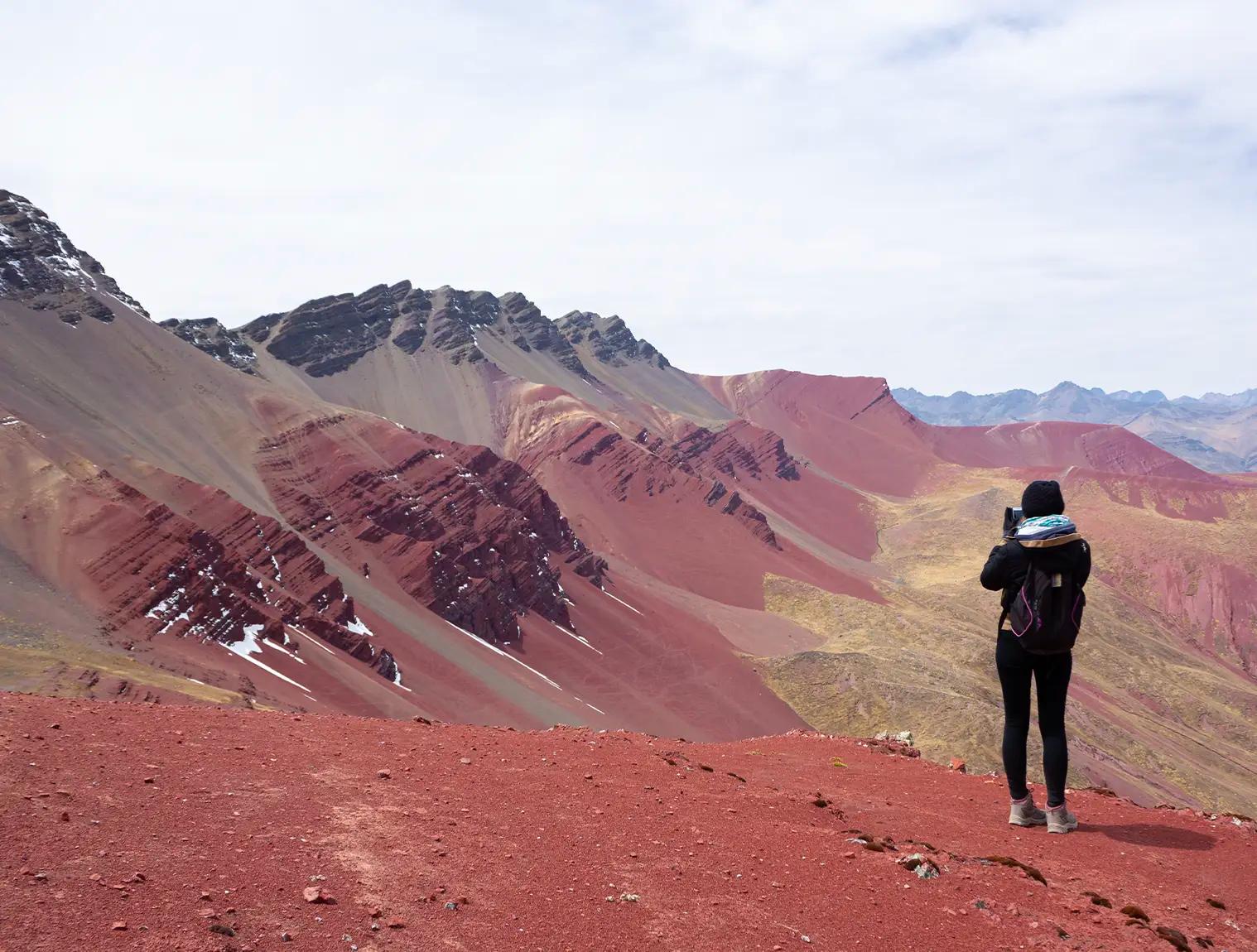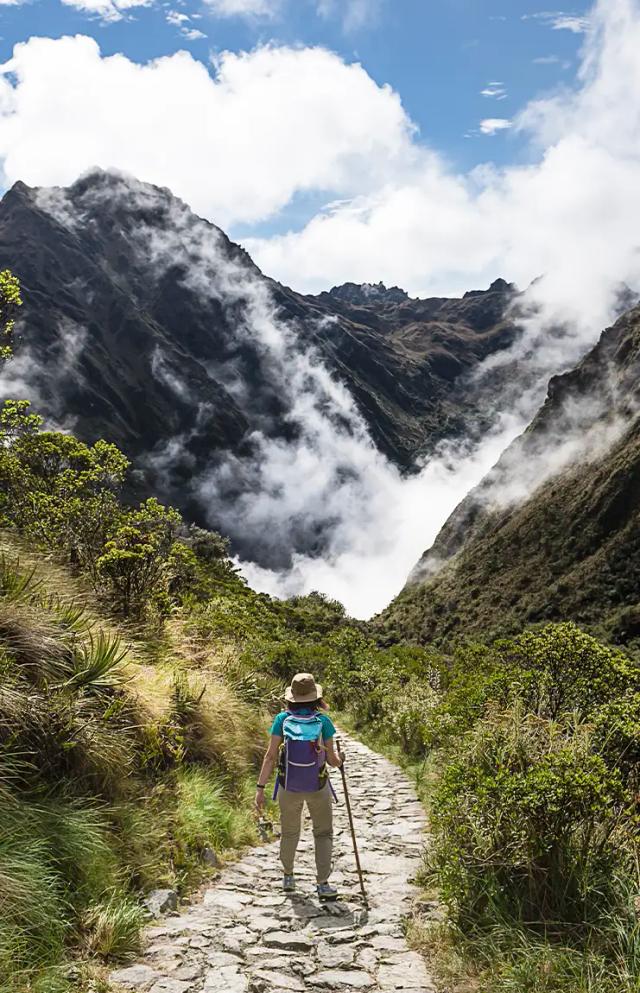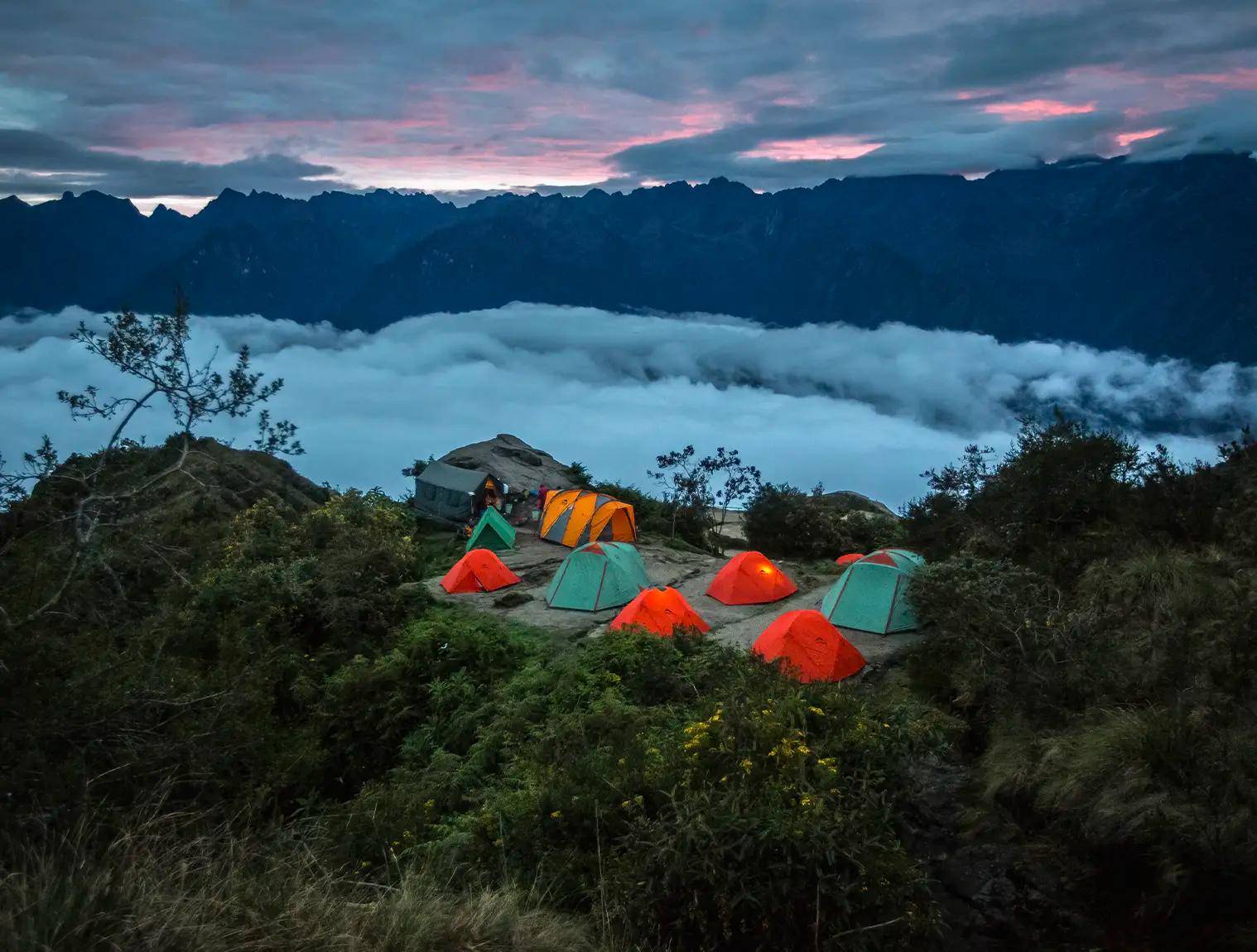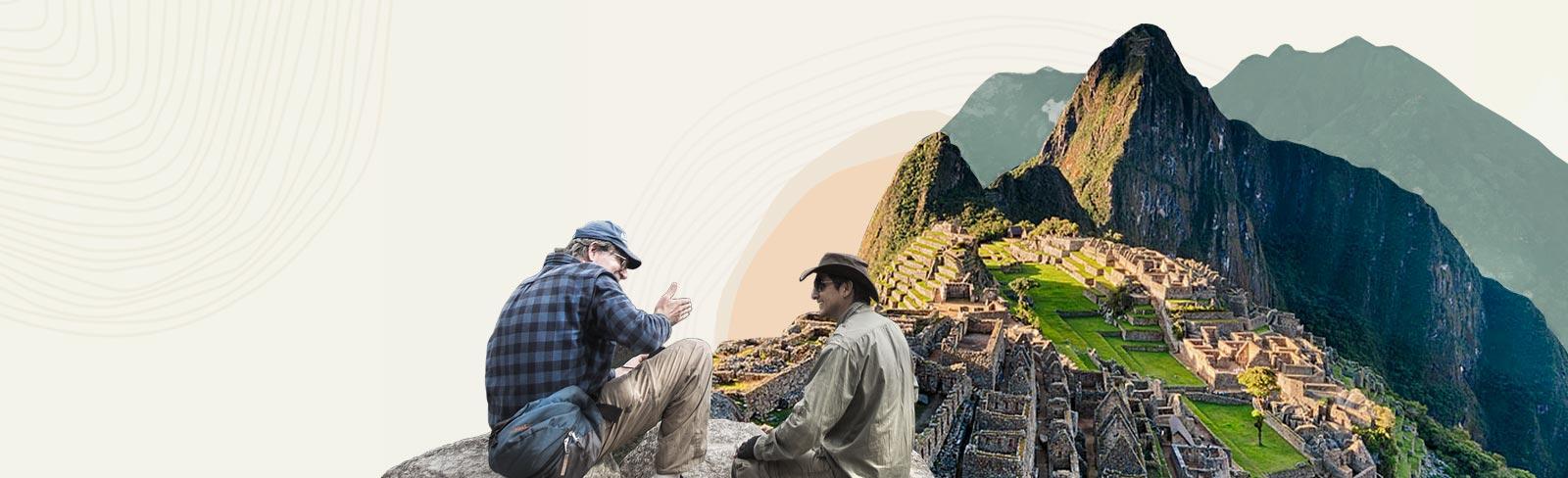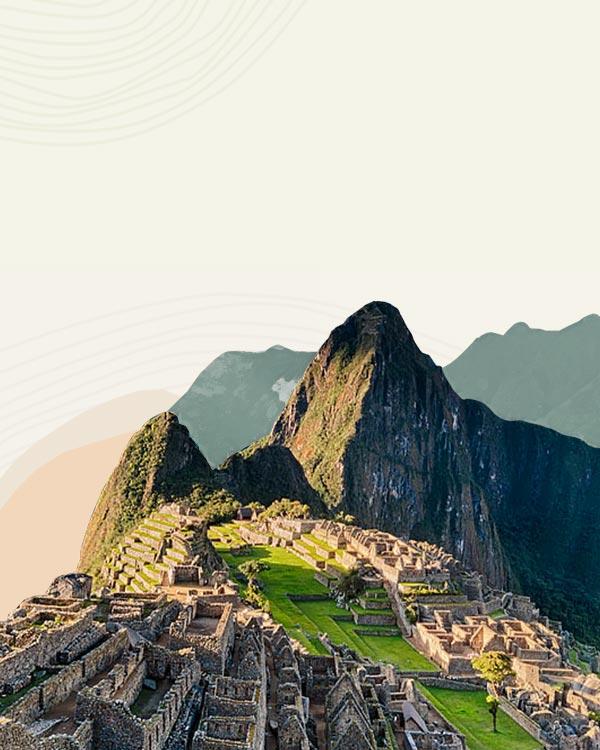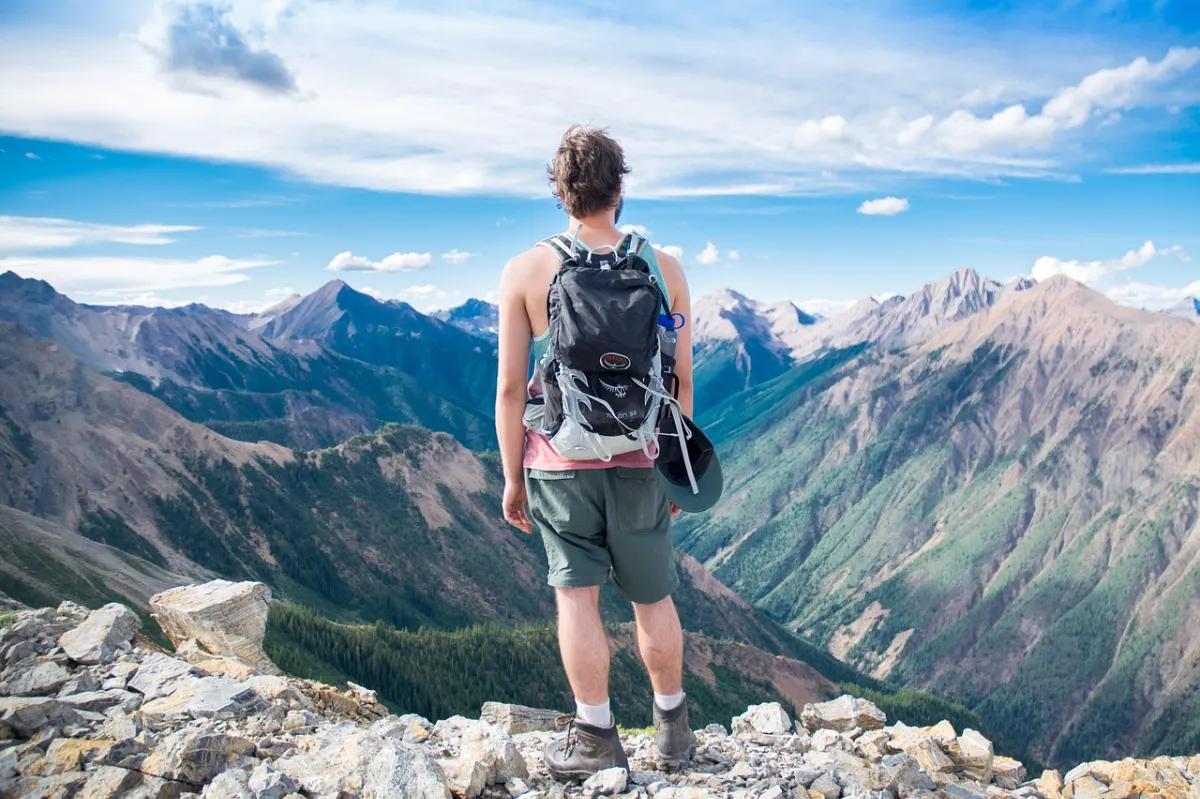
Hiking vs. Trekking hiking usually refers to shorter, easier walks on marked trails, while trekking involves multi-day journeys through challenging and remote landscapes. Image by Pexels from Pixabay .
Whether you're planning a weekend outing or a multi-day mountain adventure, understanding the difference between hiking and trekking can help you choose the right kind of trip.
While the terms are often used interchangeably, they describe different
types of experiences, each with its own level of difficulty, gear
requirements, and planning. This guide breaks down the key distinctions,
offers examples from around the world, and shares tips to help you prepare
for whichever path you choose.
Hiking usually refers to shorter walks on well-marked trails that can be completed in a few hours or a single day. Hikes are generally more accessible and less physically demanding than multi-day treks. You don’t need technical gear or a guide, and you can return to your hotel or base camp the same day.
Half-day hikes to scenic viewpoints
City-adjacent nature walks
Short trails near popular parks or landmarks
Hiking is a great option for travelers looking for a lighter adventure or those who are short on time.
Trekking typically involves multi-day journeys through remote or rugged terrain. Treks often require camping, porters, or mules to carry gear, and sometimes involve altitude changes or challenging weather. While not always technically difficult, trekking demands more stamina and preparation than hiking.
The
Inca Trail
in Peru
Everest Base Camp Trek
in Nepal
Torres del Paine
W Trek
in Patagonia
Treks offer a deeper connection to the landscape and culture, as you'll pass
through remote areas, sleep under the stars, and often be far from any roads
or cities.
Related: Explore the
best Peru trekking tours
.
Related Tours:
|
Feature |
Hiking |
Trekking |
|
Duration |
Few hours to 1 day |
2+ days |
|
Trail Type |
Marked, accessible trails |
Remote, rugged routes |
|
Accommodation |
Return to hotel or lodge |
Camping or rustic lodges |
|
Gear Needed |
Basic (shoes, daypack, water) |
Multi-day gear, backpack, layers |
|
Guide Required |
Usually not necessary |
Often required or recommended |
|
Fitness Level |
Moderate |
Moderate to high |
Both hiking and trekking can be rewarding, depending on your interests, physical ability, and time constraints.
Prefer day trips with easy logistics
Want to explore at a relaxed pace
Are traveling with young children or older adults
Seek immersive, off-the-grid experiences
Enjoy physical challenges and outdoor camping
Want to follow iconic trails and long-distance routes
If you’re unsure, consider a short trek that blends comfort with adventure. Many popular destinations offer multi-day options with limited hiking time and lodge accommodations.
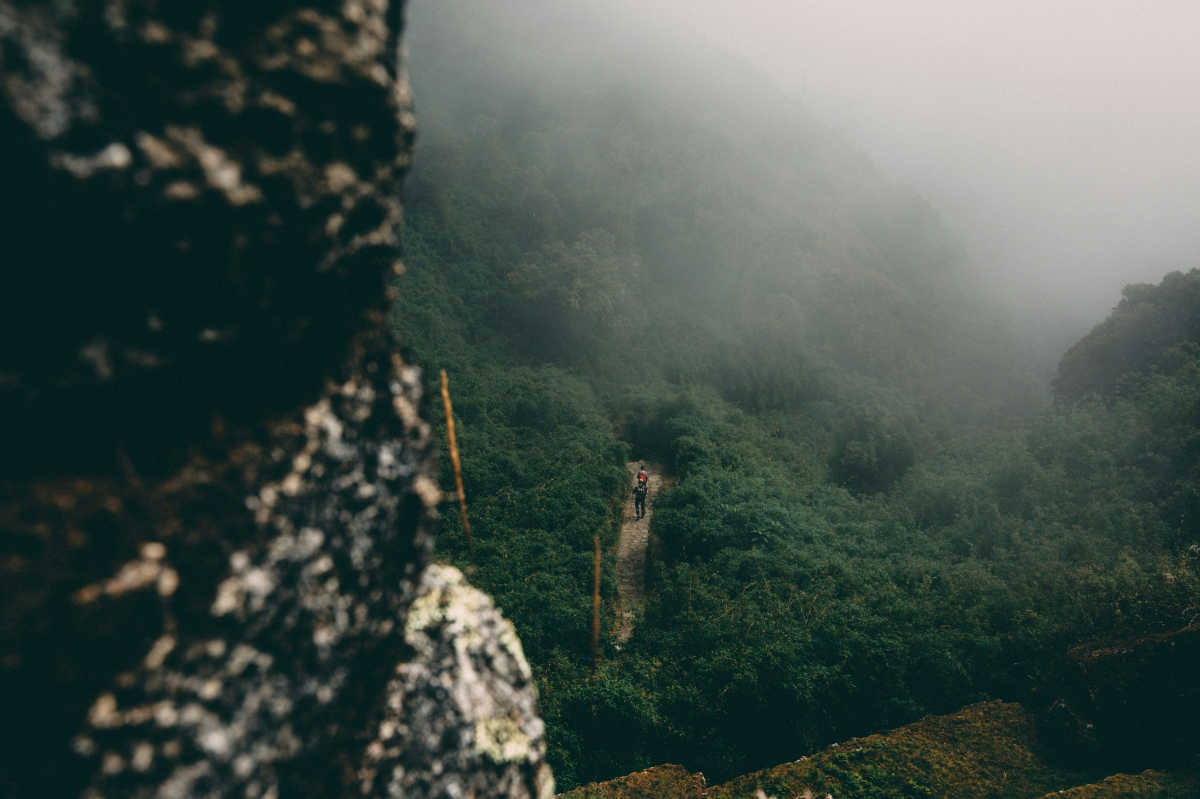
A warm cup of coca tea, a traditional Andean remedy, helps combat altitude sickness and provides a soothing start to your trek. Photo by YesselNay, under the CC BY-SA 4.0 < https://creativecommons.org/licenses/by-sa/4.0 > license, via Wikimedia Commons .
Hiking typically refers to single-day walks on marked trails, while trekking involves multi-day journeys through remote or rugged terrain.
Most hikes do not require permits. However, treks like the Classic Inca Trail do require a government-issued permit, which should be reserved months in advance.
The Classic Inca Trail is considered a multi-day trek, while shorter versions blend hiking and trekking elements.
Yes, especially on guided treks. Physical preparation and altitude acclimation are important.
Choose waterproof, breathable hiking shoes or boots with solid ankle support and non-slip soles. Break them in before your trip to avoid blisters.
Hiking typically refers to single-day walks on marked trails, while trekking involves multi-day journeys through remote or rugged terrain.
Most hikes do not require permits. However, treks like the Classic Inca Trail do require a government-issued permit, which should be reserved months in advance.
The Classic Inca Trail is considered a multi-day trek, while shorter versions blend hiking and trekking elements.
Yes, especially on guided treks. Physical preparation and altitude acclimation are important.
Choose waterproof, breathable hiking shoes or boots with solid ankle support and non-slip soles. Break them in before your trip to avoid blisters.





Email: [email protected]
Sign up to receive our newsletter for great articles, stunning photos, and special deals.